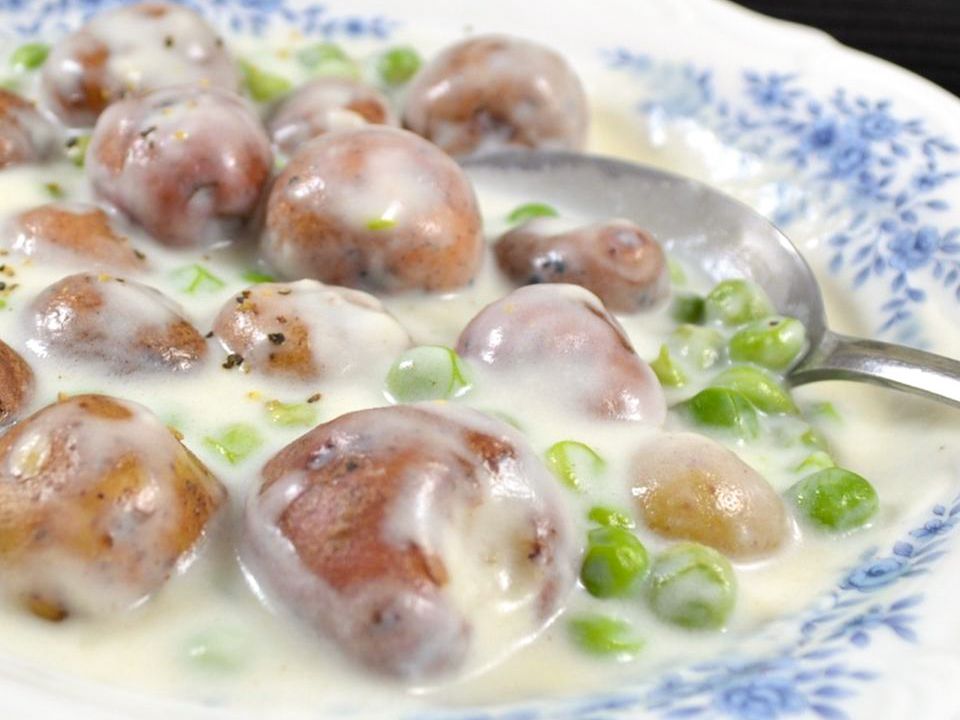
There are some dishes that transcend mere sustenance, transporting us back to simpler times, to grandma's kitchen, or to the comforting embrace of home. Among these culinary treasures, creamed peas and potatoes stands out as a timeless classic. This humble yet incredibly satisfying dish, often made with tender new potatoes and fresh garden peas bathed in a rich, creamy white sauce, embodies the very essence of down-home comfort food. It’s a recipe rooted in tradition, often inspired by the wisdom of local farmers or passed down through generations, cherished for its simplicity and the pure joy it brings to the table.
The beauty of creamed peas and potatoes lies in its unpretentious nature. There’s no fancy technique or exotic ingredient required, just honest, wholesome components coming together to create something truly delicious. Whether served as a delightful side dish or elevated to the star of a meal, its creamy texture and delicate flavors evoke a sense of warmth and nostalgia that few other dishes can match. It’s the kind of dish that speaks to the soul, making every bite a comforting memory in the making.
The Heart of the Dish: Ingredients and Their Charm
At the core of an outstanding bowl of creamed peas and potatoes are, naturally, the potatoes and peas themselves. The choice and preparation of these primary ingredients are crucial to the dish's success, contributing significantly to its overall texture and flavor profile.
Potatoes: Small, New, and Tender
For this recipe, the preference leans heavily towards new potatoes. These small, waxy varieties, such as red potatoes, are ideal because they hold their shape beautifully when cooked, preventing them from becoming mushy and disintegrating into the sauce. Unlike their starchier counterparts, new potatoes offer a firm yet tender bite, perfectly complementing the creamy sauce. Quartering them ensures even cooking and creates bite-sized pieces that are easy to enjoy.
- Selection Tip: Look for small red potatoes or other waxy varieties. If larger, simply cut them into consistent, bite-sized pieces.
- Cooking Focus: The goal is tender, not mushy. Pay attention during boiling to achieve that perfect al dente texture.
Peas: Fresh from the Garden or Freezer
While the romantic ideal features peas shelled fresh from the garden, the reality of modern life often leads us to the freezer aisle – and that's perfectly fine! Homegrown fresh peas undoubtedly offer an unparalleled sweetness and vibrant flavor that can elevate the dish to extraordinary heights, as many who grew up on farms can attest. However, high-quality frozen peas are an excellent and convenient substitute, delivering delicious results without the extra effort of shelling. They are typically flash-frozen at their peak, locking in much of their natural sweetness.
- Fresh vs. Frozen: If you have access to fresh English peas, embrace them! Otherwise, good quality frozen sweet peas will work wonderfully.
- Quick Cook: Peas cook very quickly. A brief simmer is all they need to become tender and bright green.
The Creamy Foundation: Building the White Sauce
The luxurious white sauce is what truly binds this dish together, enveloping the vegetables in a rich, velvety embrace. It’s a classic béchamel-style sauce, starting with a simple roux and gradually enriched with dairy.
- Aromatic Start: Sautéing a bit of chopped onion in butter adds a subtle depth and sweetness, building a foundational layer of flavor.
- The Roux: A combination of butter and all-purpose flour forms the roux, which acts as the thickening agent. Cooking the flour for at least a minute in the butter is critical to eliminate any raw flour taste, ensuring a smooth, nutty-flavored sauce.
- Rich Dairy Blend: The gradual addition of milk (often 2% or whole milk for richness) and half-and-half cream creates a sauce that is both creamy and decadent. This blend offers a perfect balance of richness without being overly heavy.
- Seasoning: Salt and pepper are essential, but don't be afraid to adjust to taste. A pinch of nutmeg can also add a classic, subtle warmth to a white sauce.
Crafting the Perfect Creamy Sauce: A Step-by-Step Guide
Making the perfect creamed peas and potatoes is a straightforward process, but paying attention to a few key details will elevate your dish from good to unforgettable. The secret lies in perfectly cooked vegetables and a silky-smooth sauce.
Step-by-Step Method for Delicious Results:
- Prepare the Potatoes: Place your quartered small red potatoes in a large saucepan and cover them with cold water. Bring to a boil, then reduce the heat, cover, and simmer until they are just tender – typically 8-12 minutes. The goal is tender but still firm enough to hold their shape. Drain them thoroughly once cooked.
- Cook the Peas: Meanwhile, in a separate small saucepan, cover your peas with water. Bring to a boil, then reduce heat, cover, and simmer for just 3-5 minutes until they are tender and bright green. Overcooked peas can become mushy and lose their vibrant color. Drain immediately.
- Begin the Sauce Base: In a large saucepan (the same one you’ll finish the dish in), melt 2 tablespoons of butter over medium heat. Add 2 tablespoons of finely chopped onion and sauté until it becomes tender and translucent, but not browned. This usually takes a few minutes.
- Create the Roux: Stir in 3 tablespoons plus 1 teaspoon of all-purpose flour, along with 1-1/2 teaspoons of salt and 1/4 teaspoon of pepper. Whisk continuously for at least 1 minute. This crucial step cooks out the raw flour taste, ensuring your sauce is flavorful and smooth.
- Gradually Add Dairy: Slowly, and while whisking constantly, pour in 2 cups of 2% milk and 1 cup of half-and-half cream. The gradual addition prevents lumps and helps the sauce thicken evenly. Continue whisking until the mixture is smooth.
- Thicken the Sauce: Bring the sauce to a gentle boil, continuing to stir constantly. Allow it to cook and thicken for about 2 minutes. It should be creamy and coating, but not overly thick. If you prefer a thicker sauce, you can simmer it a little longer or reduce the milk slightly next time. For a thinner sauce, a splash more milk or cream can be added.
- Combine and Serve: Gently stir the cooked, drained potatoes and peas into the thickened cream sauce. Heat through for another minute or two, ensuring everything is well combined and warmed evenly. Serve immediately and savor the comforting goodness!
Pro Tip: To achieve a perfect medium-thick white sauce, ensure your flour is cooked properly in the butter and then add the liquid gradually, whisking all the while. If the sauce becomes too thick, a splash of warm milk can thin it down. If it's too thin, a quick slurry of cornstarch and water (added gradually while simmering) can help, but generally, cooking it a little longer will do the trick.
Beyond the Basics: Serving Suggestions and Customizations
While creamed peas and potatoes shine as a standalone side dish, its versatility allows for numerous enhancements and serving options. It’s this adaptability that makes it a beloved staple in many households, perfect for weeknight dinners or special occasions.
Classic Pairings and Main Course Ideas:
- Roast Meats: This dish makes an excellent accompaniment to roasted chicken, pork loin, or a traditional pot roast, soaking up any delicious pan drippings.
- Salmon Patties: As suggested by a passionate home cook, serving creamed peas and potatoes over homemade salmon patties creates a surprisingly delightful and complete meal. The creamy sauce beautifully complements the savory fish.
- Meatloaf or Hamburgers: For ultimate comfort, pair it with classic meatloaf or a juicy hamburger steak.
- Holiday Feasts: Its appealing appearance and comforting flavor make it a wonderful addition to any holiday spread, alongside other favorites.
Elevating the Flavor: Customization Ideas:
- Fresh Herbs: A sprinkle of fresh dill, parsley, or chives just before serving can add a burst of freshness and color.
- Cheesy Twist: Stir in a handful of grated Parmesan or white cheddar cheese at the end for an extra layer of savory richness.
- Bacon Bits: For a smoky, salty kick, sprinkle some crumbled crispy bacon over the top.
- Spice It Up: A tiny pinch of cayenne pepper can add a subtle warmth without making it spicy, enhancing the overall flavor.
- Nutmeg: A classic addition to white sauces, a tiny grating of fresh nutmeg can bring a sophisticated, warm note.
Experimentation is key to making any recipe truly your own. Don't be afraid to adjust seasonings or add small personal touches to suit your family's preferences. For more ideas on how to incorporate fresh, seasonal ingredients into your cooking, you might find inspiration in creamed peas and potatoes - Article 1. If you're eager to master the art of creating perfectly rich and smooth sauces, delve into the techniques discussed in creamed peas and potatoes - Article 3.
Conclusion: A Timeless Taste of Home
Creamed peas and potatoes is more than just a recipe; it’s a culinary hug, a dish that evokes warmth, comfort, and cherished memories. From its humble origins on the farm to its place on modern dinner tables, its enduring appeal lies in its simplicity, wholesome ingredients, and the creamy, delectable sauce that brings it all together. Whether you're seeking a nostalgic taste of your childhood or simply a comforting and easy-to-prepare side dish, this classic never disappoints. So go ahead, gather your ingredients, follow these simple steps, and create a dish that truly feeds the soul.
